Best open-world space games
Gaming Articles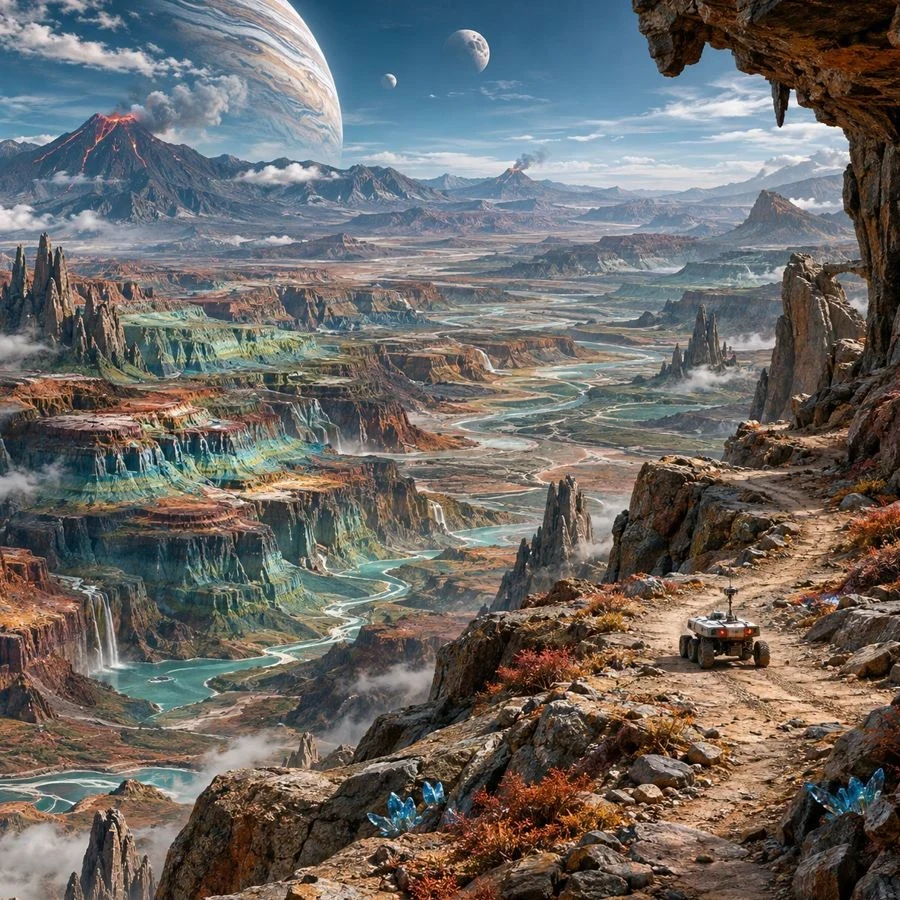
Ever wanted to jump into a spaceship, choose a random star on the map, and see what happens when you get there? Open-world space games turn that freedom into gameplay. You can discover unknown planets, explore alien landscapes, establish outposts, and create your own adventures without constantly following a main quest. In this guide, we'll explore what makes a space game truly open-world, how we selected the best titles for 2026, and which planetary exploration games are worth playing on PC and consoles.
What Is an open world in space games
An open world is a game environment where players have meaningful freedom to explore, choose activities, and decide how to progress. Instead of moving through a fixed sequence of levels, you're usually given a large playable area filled with optional objectives, discoveries, and opportunities.
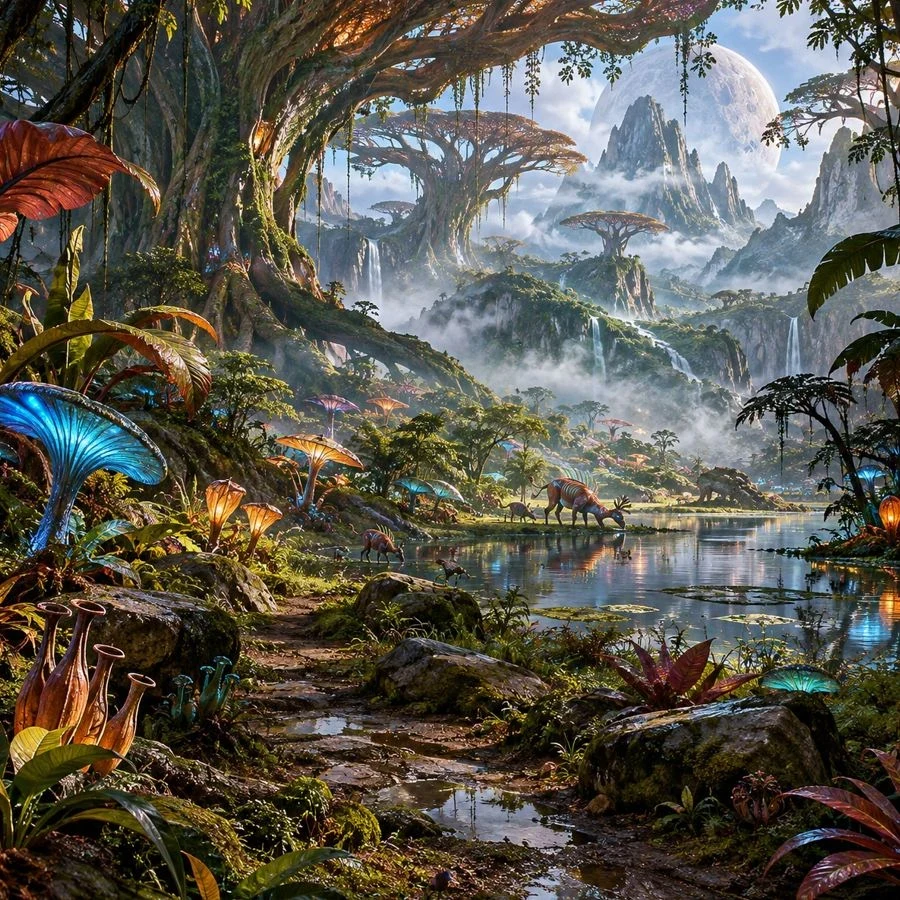
In space games, this concept becomes particularly exciting. Your playground might include several planets, an entire star system, or a procedurally generated galaxy. You could spend one evening collecting minerals on a frozen moon and the next investigating an abandoned station or searching for a suitable location to build a base.
However, an open-world space game doesn't necessarily offer seamless travel. Some titles let you fly directly from a planet's surface into orbit. Others connect large exploration areas through navigation menus, jump sequences, or loading screens.
Both approaches can deliver freedom, but they create different experiences. Seamless travel makes the journey itself part of the adventure, while separated locations can offer more carefully designed missions and environments.
It's also useful to understand how the main open-world styles differ:
Exploration-focused adventures reward curiosity, observation, and discovering hidden locations or stories;
Sandbox games emphasize resource gathering, crafting, construction, and experimenting with different systems;
Space RPGs combine exploration with character progression, quests, factions, and narrative choices;
Survival games make environmental hazards, oxygen, equipment, and resource management essential parts of the journey;
Space simulators focus on piloting, navigation, scanning celestial bodies, and mastering spacecraft systems.
Procedural generation is another common feature. Instead of designing every planet by hand, developers use algorithms to generate terrain, ecosystems, and other elements. This makes enormous playable universes possible, although size alone doesn't guarantee an engaging experience.
A smaller, handcrafted solar system can sometimes provide more memorable discoveries than thousands of similar planets.
The real attraction is player agency. You don't simply watch a cinematic universe unfold. You decide what to investigate, which risks to take, and whether your next expedition should be carefully planned or completely improvised.
How we selected these open-world space games
Not every game featuring spaceships belongs in an open-world ranking. Some excellent sci-fi adventures take place entirely in linear missions or confined arenas. For this selection, exploration needed to be a meaningful part of the experience rather than just background scenery.
We focused on the following criteria:
Freedom of exploration. Can players select destinations, discover optional locations, and approach objectives in different ways;
Planetary variety. Are there interesting landscapes, environmental conditions, resources, ruins, or mysteries to uncover;
Interactive gameplay. Does exploration connect naturally with crafting, survival, construction, scanning, or character development;
World design. Do locations reward attention, or do they feel like repetitive terrain with little to discover;
Accessibility and performance. How approachable are the controls, and what platforms and hardware does the game require?
We also considered whether each experience gives players a reason to return after their first expedition. A huge map is impressive, but satisfying progression and meaningful discoveries are what make an open world worth exploring.
Our editorial ratings are subjective recommendations based on the games' strengths within their particular genres. They are not official review aggregates or live storefront scores.
The selection includes everything from accessible planetary sandboxes to complex exploration simulators. Some games reward relaxed experimentation, while others expect you to learn difficult mechanics and prepare thoroughly before heading into the unknown.
Best games for planet exploration
The following titles offer different ways to discover, investigate, and interact with extraterrestrial environments. Some focus on enormous universes, while others make a smaller number of locations feel surprisingly rich.
No Man's Sky — explore an almost endless universe
Platforms: PC, PlayStation, Xbox, Nintendo Switch, Nintendo Switch 2.
Editorial Rating: 9.5/10.
Availability: Paid; single-player and multiplayer; download required.
No Man's Sky is an outstanding choice for players who want to explore planets without constantly being told where to go next. Its procedurally generated galaxy contains extraordinary landscapes, unusual wildlife, mysterious structures, and countless opportunities for discovery.
You can scan alien creatures, gather resources, upgrade your equipment, and establish bases on worlds that catch your attention. Different planets present different environmental hazards, including extreme temperatures and dangerous storms.
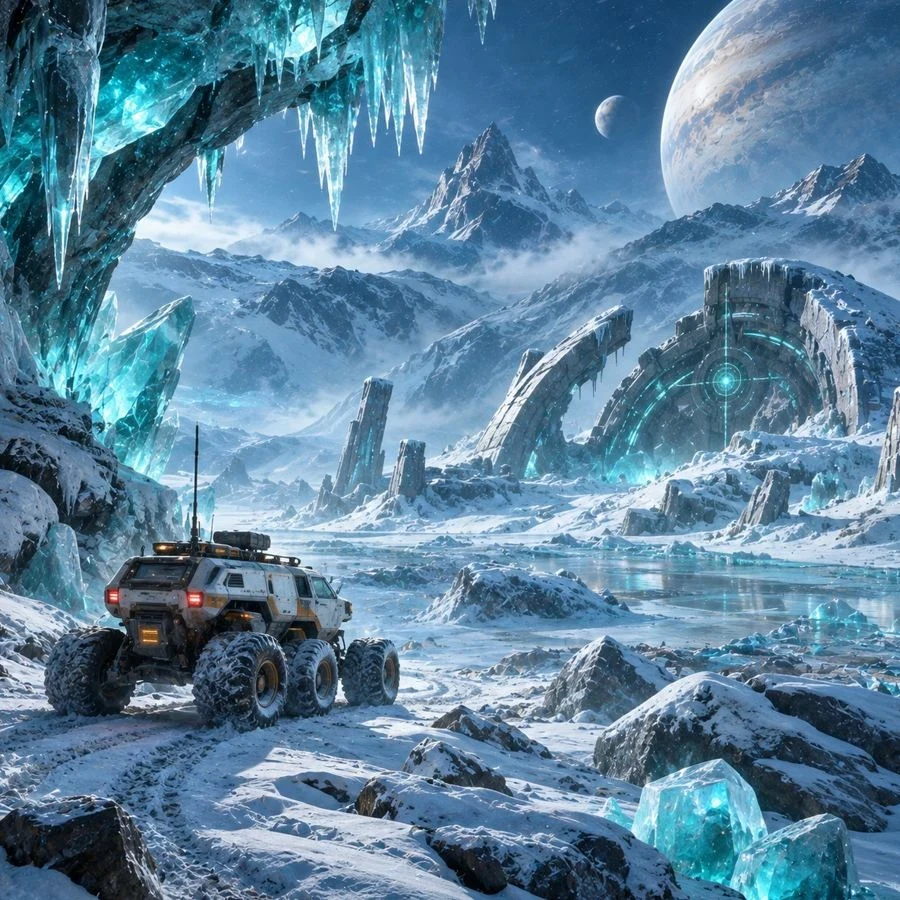
The sandbox mechanics give exploration a practical purpose. Materials collected during expeditions help you improve your ship, construct settlements, and unlock technologies that make more ambitious journeys possible.
One of the game's greatest strengths is that you can define your own goals. You might focus on cataloging discoveries, trading, building a dream base, or simply hopping between beautiful worlds.
Best for: Players who want extensive planetary variety, creative freedom, and long-term exploration.
Outer Wilds — solve mysteries across a living solar system
Platforms: PC, PlayStation, Xbox, Nintendo Switch.
Editorial Rating: 9.7/10.
Availability: Paid; single-player; download required.
Outer Wilds proves that an open-world adventure doesn't need billions of planets to feel extraordinary. Its compact solar system is carefully designed around exploration, environmental changes, and interconnected mysteries.
Every world has distinctive features that affect how you investigate it. Some locations change dramatically over time, while others reveal their secrets only when you understand how the environment behaves.
Rather than grinding for better gear, you progress by learning. A clue discovered on one planet might explain a strange phenomenon somewhere else. Even an unsuccessful expedition can provide information that unlocks an entirely new route.
The game also encourages observation. Instead of chasing quest markers, you'll often find yourself studying the surroundings, making connections, and testing theories.
Its repeating time loop creates urgency without turning the experience into a traditional action game.
Best for curious players who enjoy exploration, scientific puzzles, and environmental storytelling.
Starfield — discover planets in a story-driven space RPG
Platforms: PC, Xbox Series X|S, PlayStation 5.
Editorial Rating: 8.7/10.
Availability: Paid; single-player; download required.
Starfield combines open-world exploration with the structure of a large science-fiction RPG. Set in a future where humanity has spread across multiple star systems, it places you among explorers searching for answers to an unusual cosmic mystery.
You can visit settlements, investigate abandoned facilities, complete faction quests, and land in different planetary environments. Character development plays an important role, allowing you to specialize in combat, technology, social skills, or exploration-related abilities.
Planetary surveying provides another reason to venture beyond the main story. Scanning wildlife, plants, and natural resources encourages you to explore unfamiliar terrain instead of simply rushing toward the next mission.
Ship customization and outpost construction add further depth. You can adapt your vessel to your preferred activities and establish facilities for resource collection.
It's important to remember that Starfield isn't one continuous, seamless universe. Travel between many locations involves transitions, and exploration is organized across separate playable areas.
Best for: RPG fans who prefer quests, factions, character builds, and planetary discoveries within a story-rich setting.
Elite Dangerous — chart your own course through the Milky Way
Platforms: PC; legacy versions are also available on PlayStation 4 and Xbox One.
Editorial Rating: 9.2/10.
Availability: Paid; online connection required; download required.
Elite Dangerous takes a simulation-oriented approach to open-world space exploration. Its enormous representation of the Milky Way gives players an opportunity to travel through star systems, scan celestial bodies, and embark on expeditions far beyond populated regions.
The game's appeal comes from the scale and independence of the experience. You choose your destination, equip your spacecraft, plan a route, and deal with the practical demands of long-distance travel.
Exploration involves more than looking at impressive stars. Specialized scanning equipment can reveal information about planets and other celestial objects, while certain discoveries provide opportunities to earn in-game rewards.
With the Odyssey expansion, PC players can also leave their ships and explore suitable planetary surfaces on foot.
Elite Dangerous isn't particularly interested in holding your hand. Learning flight controls, fuel management, navigation, and equipment systems takes patience. The payoff is an unusually convincing sense of commanding your own spacecraft.
Best for: Experienced players who enjoy realistic piloting, navigation, and independent space expeditions.
ASTRONEER — shape alien landscapes and build your own base
Platforms: PC, PlayStation, Xbox, Nintendo Switch.
Editorial Rating: 9.1/10.
Availability: Paid; single-player and co-op; download required.
ASTRONEER transforms planetary exploration into a creative sandbox filled with interesting terrain, colorful resources, and satisfying construction mechanics.
Instead of concentrating on traditional space combat, the game encourages you to explore the environment and figure out how to use it. Its terrain tool lets you dig tunnels, reshape hills, uncover underground caverns, and prepare land for new buildings.
Resources gathered during your travels support an expanding technological network. A simple starting shelter can eventually become a busy research and production base with vehicles, storage systems, and automated machinery.
Oxygen is an important consideration, particularly when traveling far from your equipment. Planning supply routes and bringing the correct tools can mean the difference between a successful expedition and losing your way.
Each new world provides different materials and challenges, encouraging players to prepare before launching their next mission.
Cooperative play makes the experience even more enjoyable, especially when friends divide responsibilities between exploration, mining, and construction.
Best for: Creative gamers, families, and players who enjoy relaxed planetary exploration.
Space Engineers — build the vehicles you need to explore
Platforms: PC, PlayStation, Xbox.
Editorial Rating: 9.0/10.
Availability: Paid; single-player and multiplayer; download required.
Space Engineers puts engineering at the center of its sandbox experience. Instead of finding a perfect spaceship, you can design and assemble one from individual components.
Players construct spacecraft, surface vehicles, orbital stations, and industrial facilities. The challenge is making those creations work. Thrusters, power systems, cargo capacity, and mechanical connections all influence how useful your equipment will be.
Planetary exploration becomes an engineering problem. A rough landscape might require a specialized rover, while reaching orbit demands a spacecraft capable of handling the journey.
Mining and resource processing support your expansion, especially in survival mode, where every ambitious project needs materials and preparation.
The game's physics-based systems also make experimentation unpredictable. A poorly designed vehicle might break during testing, and a complicated construction can fail in ways you didn't expect.
That trial-and-error process is part of the fun. Watching a self-built exploration vehicle finally perform as intended can be more rewarding than completing a scripted mission.
Best for: Players who enjoy technical creativity, vehicle design, and hands-on sandbox engineering.
The Planet Crafter — transform a barren planet Into a living world
Platforms: PC.
Editorial Rating: 9.2/10.
Availability: Paid; single-player and online co-op; download required.
The Planet Crafter offers a refreshing twist on open-world exploration. Instead of merely discovering an alien environment, your objective is to transform a hostile planet into a place where life can thrive.
You begin in a barren landscape with limited equipment and must gather resources to survive. Building shelters and upgrading tools gradually gives you access to more distant parts of the map.
The real magic comes from terraforming. By constructing specialized machinery, you increase atmospheric pressure, temperature, and oxygen levels. These changes eventually affect the planet itself.
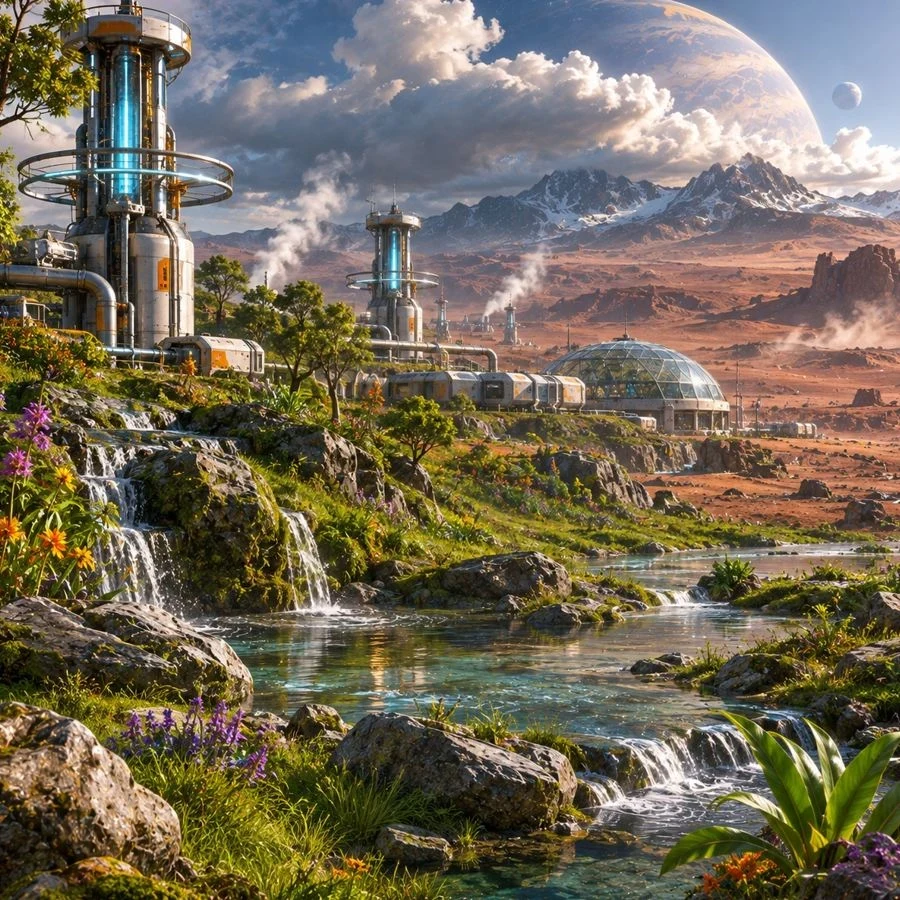
A seemingly lifeless landscape can develop water, vegetation, and increasingly complex ecosystems. The world evolves in response to your efforts, making progression visible rather than confined to a technology menu.
Exploring abandoned wrecks and mysterious locations adds another layer to the experience. Each expedition can uncover materials or information that helps you push the transformation further.
Because combat isn't the focus, the game is especially appealing to players who prefer discovery, construction, and environmental progression.
Best for: Fans of peaceful survival, terraforming, and sandbox games with visible long-term results.
Empyrion: Galactic Survival — survive and build across alien worlds
Platforms: PC.
Editorial Rating: 8.7/10.
Availability: Paid; single-player and multiplayer; download required.
Empyrion: Galactic Survival combines planetary exploration with a more demanding survival experience. Discovering a new world is exciting, but staying alive requires careful preparation.
You'll collect resources, craft equipment, construct shelters, and eventually build vehicles capable of traveling farther. Oxygen, food, environmental conditions, and hostile encounters all influence your decisions.
The construction system allows you to design different kinds of vehicles and bases, supporting everything from small expeditions to more ambitious exploration projects.
Each destination introduces fresh challenges. A planet with valuable minerals might also have dangerous wildlife or extreme conditions that require specialized gear.
Unlike a relaxed exploration sandbox, Empyrion frequently asks you to think about risk. Is your equipment ready? Do you have enough supplies? Can your vehicle survive the journey back?
It's a satisfying experience for players who enjoy combining discovery with crafting, logistics, and combat.
Best for: Survival fans who want planetary exploration to feel dangerous and rewarding.
EVERSPACE 2 — explore open space regions with action-RPG progression
Platforms: PC, PlayStation 5, Xbox Series X|S.
Editorial Rating: 8.9/10.
Availability: Paid; single-player; download required.
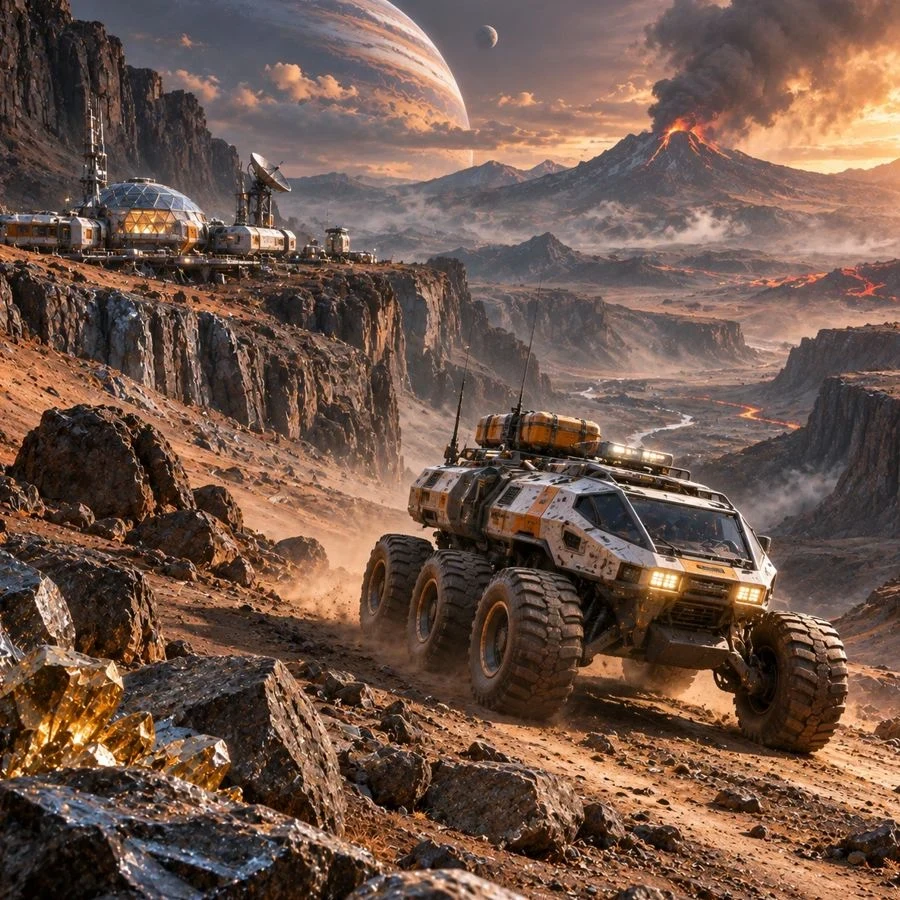
EVERSPACE 2 approaches open-world exploration from an action-oriented perspective. You pilot a customizable spacecraft through distinct open regions filled with missions, hidden locations, valuable equipment, and dangerous encounters.
Although the game isn't a seamless planetary sandbox, its explorable areas reward players who look beyond the main objective. You can investigate abandoned structures, search for hidden loot, solve environmental puzzles, and discover useful resources.
Combat and progression are closely connected. Upgrading weapons, choosing equipment, and refining your ship build create a satisfying loop between exploration and action.
Compared with realistic flight simulators, the controls are more immediate and arcade-like. This makes it easier to concentrate on movement, tactical positioning, and intense spaceship battles.
The handcrafted environments also provide a different experience from procedurally generated galaxies. Individual locations often contain carefully placed secrets and challenges.
Best for payers who want open-ended exploration alongside fast combat, loot, and ship upgrades.
Which open-world space games are best for adults and kids
Choosing the right space game depends on more than the player's age. Some younger gamers love challenging construction systems, while adults may prefer relaxing on a colorful alien planet after a long day.
The key differences are complexity, content, pacing, and the amount of freedom each game provides.
For children and family gaming, ASTRONEER is one of the most approachable options. Its inviting visual style encourages creativity, while terrain modification and base construction provide clear activities to work toward. Younger players may still need assistance with resource management and navigation.
The Planet Crafter is another interesting choice for players who enjoy building without constant combat. Watching an inhospitable environment gradually become more welcoming creates an understandable sense of progress. However, survival mechanics and inventory management still require attention.
For teenagers interested in science and engineering, Space Engineers can be especially engaging. Designing functional machines encourages problem-solving and experimentation, although its controls and construction systems require patience.
No Man's Sky offers a broader experience for players who want to explore many different planets. Adjustable difficulty options make it possible to reduce some survival pressures, while optional activities allow players to find a comfortable pace.
Adults who enjoy mysteries and unconventional storytelling should consider Outer Wilds. It rewards observation and careful reasoning, though some environments can feel tense or intimidating.
Starfield is better suited to players interested in lengthy RPG campaigns, dialogue, faction choices, and combat. Elite Dangerous appeals to those willing to invest time mastering complex spaceship controls.
For a more demanding survival challenge, Empyrion offers plenty of resource management and dangerous encounters. EVERSPACE 2 is a stronger fit for players who primarily want action.
Before purchasing, check the game's age rating, hardware requirements, multiplayer options, and available accessibility settings. An exciting open world is much easier to enjoy when its controls and difficulty match the player's experience.
WarForGalaxy - explore planets and build your empire online
Looking for a different way to conquer the stars? WarForGalaxy is a free, cross-platform 4X space strategy game where exploration is only the beginning. Develop planetary colonies, expand your influence, research technologies, and build powerful fleets for interstellar warfare. Form alliances or compete with players from around the world, while the AI assistant Hermes helps you navigate your growing empire. You can play directly in your PC browser without downloading a game client and continue your galactic campaign on mobile. Your next move could change the balance of power across the galaxy.