Best space horror games for PC
Gaming Articles
An abandoned spacecraft, flickering emergency lights, and something moving behind a sealed door — space is the perfect setting for a nightmare. In space horror games, you can't simply run outside when things go wrong. Beyond the hull lies a deadly vacuum, and the nearest rescue mission could be light-years away. This guide explores what makes sci-fi horror so effective, how the genre evolved, and which terrifying PC games deserve a place on your playlist. We'll also explain what age ratings mean before you dive into the darkness.
What makes space horror games so terrifying
Space horror combines science fiction, survival mechanics, and the fear of the unknown. Its greatest weapon isn't necessarily a horrifying monster. It's the feeling that you're trapped somewhere humans were never meant to survive.
On Earth, a frightening situation might leave several escape routes. On a damaged orbital station, the choices are considerably worse. A broken airlock, failing oxygen system, or malfunctioning engine can be just as dangerous as the creature hunting you.
Developers use this vulnerability to create tension. A distant metallic impact might be a loose maintenance panel — or something crawling through the ventilation system.
The most effective space horror games build fear through several elements:
Isolation and limited escape routes. Abandoned ships, remote research bases, and hostile moons make every mistake feel serious;
Resource scarcity. Limited ammunition, medical supplies, oxygen, and power force players to think before acting;
Unpredictable threats. Monsters may stalk corridors, imitate ordinary objects, or react to sounds and movement;
Environmental storytelling. Damaged equipment, abandoned logs, and signs of a failed evacuation reveal what happened without lengthy exposition;
Sound and lighting. Static-filled transmissions, distant footsteps, and darkened rooms can be scarier than a sudden jump scare.
The playable character also matters. Many games put you in the boots of an engineer, researcher, or ordinary crew member rather than an unstoppable supersoldier.
This makes survival feel earned. Repairing a generator under pressure or reaching the next checkpoint with almost no health can be more intense than defeating an entire squad of enemies.
Not every cosmic nightmare depends on combat, either. Psychological horror explores distorted memories, mysterious signals, unreliable perceptions, and events that seem impossible to explain.
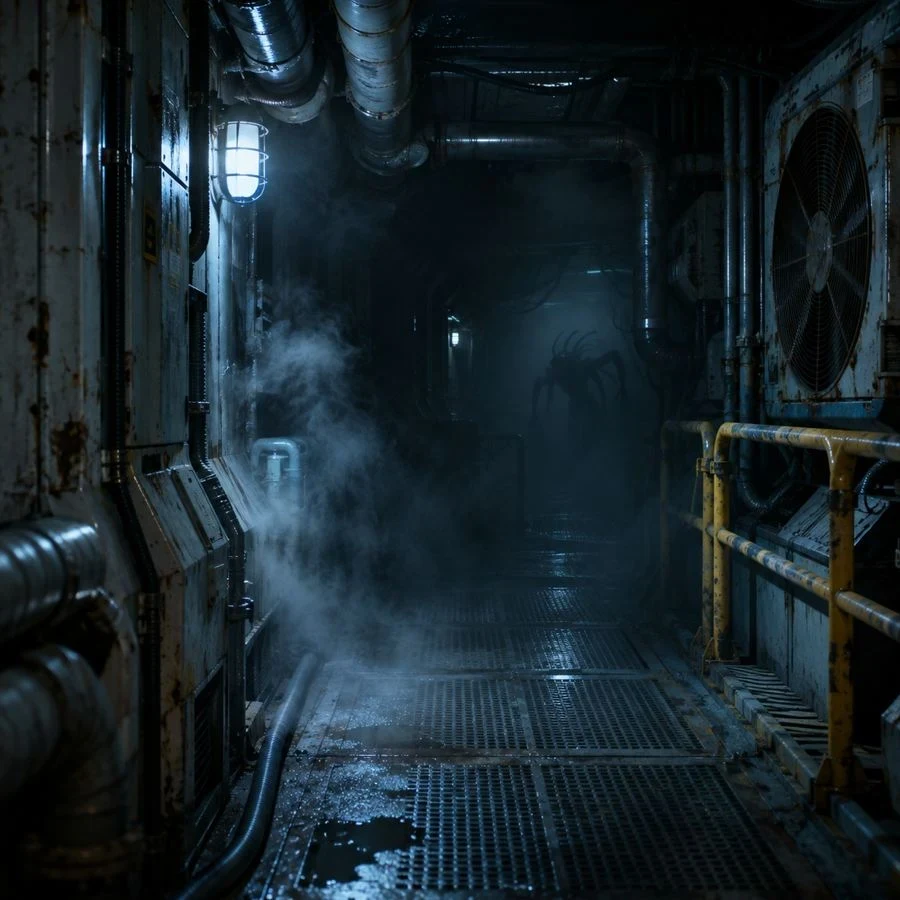
Some titles give you powerful weapons. Others expect you to hide, solve puzzles, and avoid attracting attention. Both approaches can be terrifying when the atmosphere is right.
How space horror games evolved
The roots of space horror reach back to science-fiction literature and cinema. Stories about astronauts encountering unknown life forms gradually transformed the excitement of discovery into something far more disturbing.
One of the genre's biggest influences was Ridley Scott's Alien, released in 1979. Its combination of industrial spaceship interiors, an isolated crew, and an almost unstoppable extraterrestrial predator established a visual and narrative formula that still influences games today.
Video games began exploring similar ideas long before modern photorealistic graphics.
Project Firestart, released in 1989, placed players aboard a research spacecraft where a routine investigation turned into a survival nightmare. Exploration, limited resources, and dangerous creatures helped establish ideas that later became central to survival horror.
In the 1990s, the original System Shock introduced a different kind of threat: a hostile artificial intelligence controlling a space station. Its combination of environmental exploration, cybernetic systems, and unsettling enemies showed how science fiction could support more than traditional monster encounters.
As 3D graphics and positional audio improved, developers found new ways to make enclosed environments feel oppressive. Doom 3 brought darkness and demonic attacks to a Martian research facility, while the original Dead Space in 2008 made an enormous mining ship the setting for one of gaming's most memorable survival experiences.
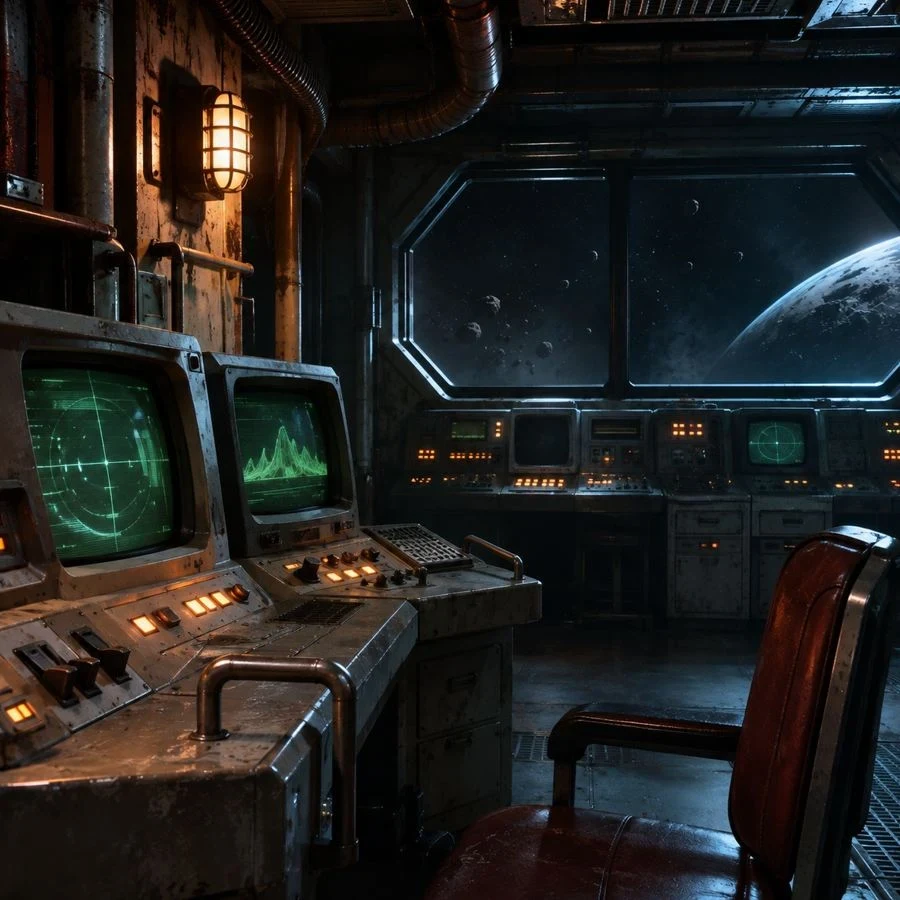
Later, Alien: Isolation demonstrated that a single terrifying enemy could sustain an entire adventure. Instead of constant firefights, players had to rely on stealth, observation, and improvisation.
Modern space horror has become increasingly varied. Big-budget games deliver cinematic action and elaborate creature designs, while indie developers experiment with retro visuals, unusual perspectives, and shorter experiences.
The genre continues to prove that terrifying gameplay doesn't require a huge map or endless enemies. Sometimes one locked room, an unexplained signal, and a little uncertainty are enough.
How we ranked the best space horror games
The scariest game isn't automatically the one with the most monsters or graphic violence. An effective horror experience needs to keep players invested even when no immediate threat is visible.
For our selection, we considered how successfully each title combines its setting, mechanics, and storytelling.
Atmosphere was especially important. Does exploring the environment create genuine tension? Do sound effects and lighting make the location feel believable? Is the mystery interesting enough to encourage players to continue despite the danger?
We also looked at gameplay variety. Some titles revolve around stealth and avoiding detection, while others feature combat, equipment upgrades, and environmental puzzles.
The strength of the overall experience matters more than whether a particular game uses a first-person or third-person perspective.
Our editorial ratings use a ten-point scale and reflect recommendations within each game's style. They are not official scores from Steam, Metacritic, or other review platforms.
This ranking includes cinematic survival horror, psychological thrillers, retro-inspired adventures, and cooperative experiences. Whether you prefer fighting monsters or being genuinely afraid to open the next door, there's something here for you.
Best space horror games to play
These nine games approach cosmic terror in very different ways. Some offer unforgettable single-player campaigns, while others turn surviving an abandoned facility into a chaotic evening with friends.
Dead Space — survive a nightmare aboard the Ishimura
Platforms: PC, PlayStation 5, Xbox Series X|S.
Editorial rating: 9.7/10.
Availability: Paid; single-player; installation required.
Dead Space puts you in the role of Isaac Clarke, an engineer sent to investigate problems aboard the USG Ishimura, a gigantic mining spacecraft.
Instead of a routine repair mission, Isaac discovers a ship filled with death, damaged systems, and grotesque creatures known as Necromorphs.
The game's combat has an unforgettable twist: rather than simply aiming for an enemy's head, you often need to dismember its limbs. Engineering tools become weapons, turning equipment originally intended for repairs into essential survival gear.
Exploration is equally important. You'll restore malfunctioning systems, unlock new areas, and search dark compartments for supplies.
The 2023 remake adds modern graphics, detailed environments, improved audio, and a more seamless presentation. Every metallic creak and distant scream contributes to the feeling that you're never truly safe.
Best for: Players who want cinematic survival horror, intense monster encounters, and a memorable sci-fi story.
Alien: Isolation — hide from the ultimate extraterrestrial predator
Platforms: PC, PlayStation, Xbox, Nintendo Switch.
Editorial rating: 9.6/10.
Availability: Paid; single-player; installation required.
Alien: Isolation follows Amanda Ripley as she searches for information about her missing mother aboard Sevastopol Station.
Unfortunately, the station is home to a deadly Xenomorph.
Unlike conventional shooters, fighting your main pursuer directly is rarely a viable strategy. Survival depends on staying quiet, hiding, creating distractions, and understanding the environment.
The creature's behavior makes encounters particularly stressful. You might escape one room successfully, only to hear something moving through the ceiling above your next hiding place.
Limited equipment forces you to improvise. A motion tracker can warn you about approaching danger, but using it carelessly may also reveal your position.
The game's retro-futuristic technology and industrial interiors capture the unsettling atmosphere of classic science-fiction cinema.
Best for: Stealth enthusiasts who enjoy relentless tension and the terrifying feeling of being hunted.
Prey — uncover the secrets of Talos I
Platforms: PC, PlayStation 4, Xbox One.
Editorial rating: 9.5/10.
Availability: Paid; single-player; installation required.
Prey takes place aboard Talos I, a space station where experimental research has gone catastrophically wrong.
Playing as Morgan Yu, you explore the facility while confronting strange alien organisms known as the Typhon.
Some enemies can imitate everyday objects. That means an ordinary coffee mug or chair might not be as harmless as it appears.
This mechanic changes how you investigate rooms. Even quiet areas feel dangerous when you can't be certain what's real.
Fortunately, the game provides creative tools to handle problems. You can hack security systems, use environmental hazards, upgrade abilities, and approach objectives through different routes.
Its immersive-sim design rewards experimentation rather than forcing every encounter into a direct gunfight.
Much of the story is discovered through recordings, messages, and clues left around the station, making exploration essential to understanding the disaster.
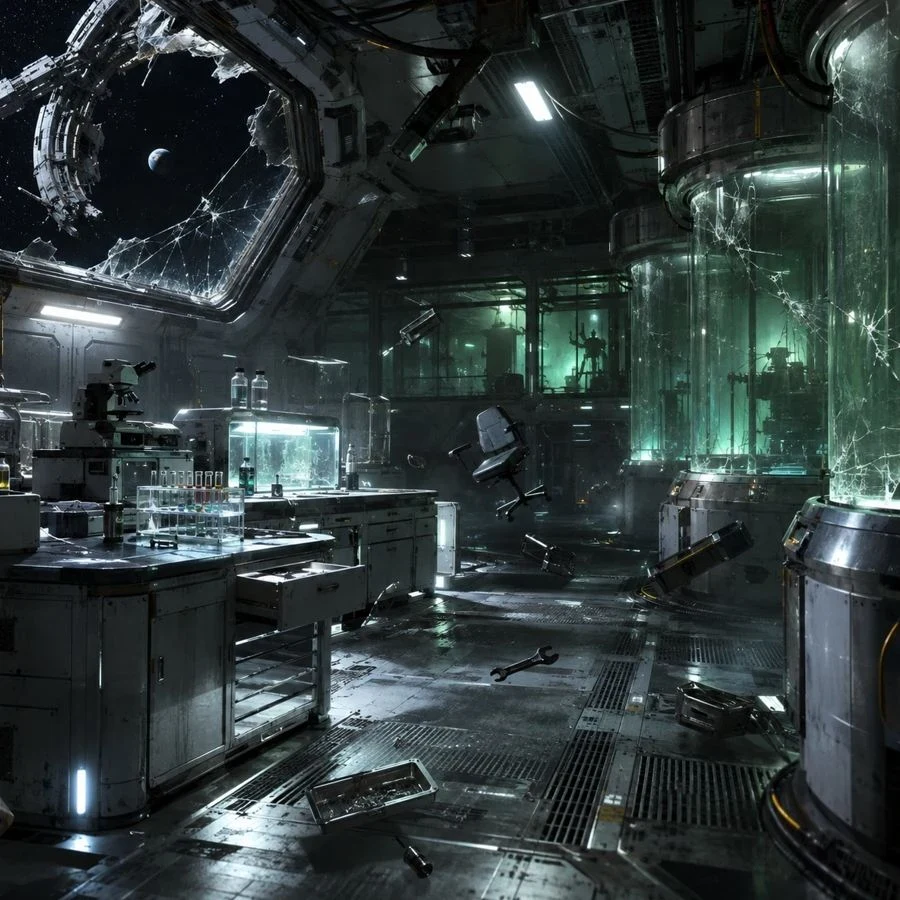
Best for: Players who enjoy freedom of approach, science-fiction mysteries, and clever environmental gameplay.
The Callisto Protocol — escape a prison on Jupiter's moon
Platforms: PC, PlayStation 4/5, Xbox One, Xbox Series X|S.
Editorial rating: 8.6/10.
Availability: Paid; single-player; installation required.
The Callisto Protocol transports players to Black Iron Prison, a remote facility on Callisto, one of Jupiter's moons.
You control Jacob Lee, a prisoner caught in a deadly outbreak that transforms people into violent creatures.
The game emphasizes close-quarters survival. Combat combines firearms with melee attacks, forcing you to study enemy movements and react carefully.
Its detailed character models, disturbing creature designs, and cinematic presentation create an oppressive atmosphere.
The environments are tightly controlled rather than open-world, and the adventure focuses heavily on moving through dangerous areas while gathering supplies and searching for answers.
Although its combat system may require some adjustment, the setting and visual presentation deliver a strong sense of physical danger.
Best for: Gamers who prefer graphic sci-fi horror, cinematic storytelling, and intense combat.
SIGNALIS — experience a retro psychological nightmare
Platforms: PC, PlayStation 4, Xbox One, Nintendo Switch.
Editorial rating: 9.5/10.
Availability: Paid; single-player; installation required.
SIGNALIS is a psychological survival horror game inspired by classic genre design.
You play as Elster, an artificial humanoid known as a Replika, searching for someone important while navigating increasingly disturbing environments.
Its striking pixel-art presentation, unsettling soundtrack, and mysterious narrative give the game a distinctive identity.
Exploration involves solving puzzles, managing a restricted inventory, and carefully deciding when to use ammunition. Not every enemy needs to be defeated, and sometimes avoiding a confrontation is the smarter play.
The story gradually blends memory, identity, and strange events in ways that invite interpretation.
Rather than explaining everything immediately, SIGNALIS encourages players to piece together clues and consider what the events might mean.
The result is a haunting experience that can remain in your thoughts long after the credits roll.
Best for: Fans of classic survival horror, intricate puzzles, and psychological storytelling.
Moons of Madness — investigate a terrifying mystery on Mars
Platforms: PC, PlayStation 4, Xbox One.
Editorial rating: 8.5/10.
Availability: Paid; single-player; installation required.
Moons of Madness follows Shane Newehart, an engineer working at a research facility on Mars.
What begins as an ordinary assignment becomes increasingly unsettling as technical problems, disturbing visions, and mysterious phenomena threaten the mission.
The game draws inspiration from cosmic horror, where the fear comes partly from encountering something too strange or enormous to understand.
Rather than focusing on constant firefights, it emphasizes exploration, puzzles, and environmental storytelling.
The Martian setting adds another layer of tension. A damaged habitat or failed system can be dangerous even before any supernatural threat appears.
As you investigate the facility, the line between a genuine external danger and psychological disturbance becomes increasingly difficult to identify.
Best for: Players who enjoy Lovecraftian mysteries, atmospheric exploration, and story-driven scares.
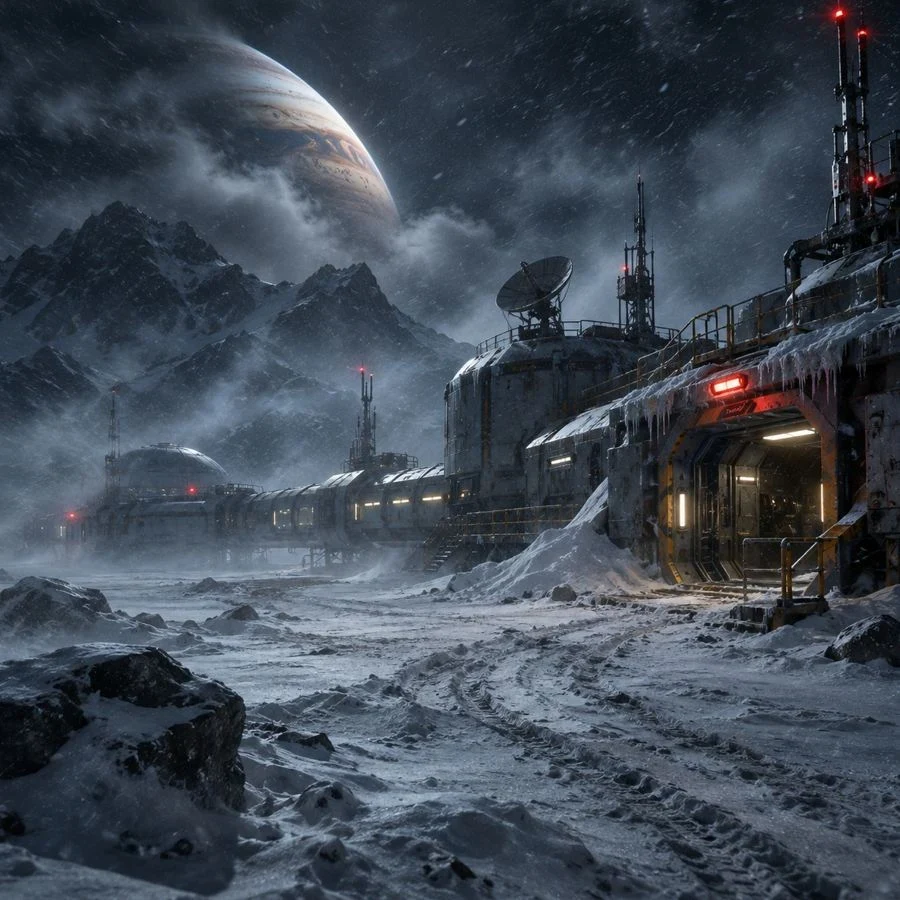
Observation — become the AI aboard a mysterious space station
Platforms: PC, PlayStation 4, Xbox One.
Editorial rating: 9.0/10.
Availability: Paid; single-player; installation required.
Observation turns the traditional space horror premise upside down. Instead of controlling an astronaut, you play as S.A.M., the artificial intelligence responsible for managing an orbital station.
Following a mysterious incident, most of the crew is missing. Dr. Emma Fisher needs your assistance to investigate what happened.
Your main tools are cameras, station interfaces, communication systems, and remotely controlled equipment.
The gameplay revolves around observation and problem-solving. You must examine environments, find information, and operate systems that allow Emma to continue her investigation.
Because you experience the story through technology rather than a conventional human viewpoint, familiar spaces can feel unexpectedly strange.
The narrative gradually develops into a disturbing science-fiction mystery with far-reaching implications.
Best for: Players who prefer intelligent puzzles, unusual perspectives, and psychological sci-fi thrillers.
Iron Lung — face the unknown inside a tiny submarine
Platforms: PC.
Editorial rating: 9.1/10.
Availability: Paid; single-player; installation required.
Iron Lung takes place in a deeply unsettling science-fiction universe where stars and habitable planets have mysteriously vanished.
Humanity's survivors search for resources wherever they can, including an ocean of blood discovered on a distant moon.
You control a cramped submarine sent to investigate what lies beneath the surface.
There is almost no direct visibility. Instead, you navigate using instruments and take photographs of the exterior to learn what surrounds you.
The environment outside remains largely hidden, making every strange noise more threatening.
Its simple visual design is surprisingly effective. With limited information and little control over your surroundings, imagination does much of the frightening work.
The experience is relatively short, but its claustrophobic atmosphere creates lasting tension.
Best for: Players who enjoy experimental indie horror, limited information, and oppressive environments.
Lethal Company — survive terrifying scrap runs with friends
Platforms: PC (Windows).
Editorial rating: 9.2/10.
Availability: Paid; cooperative multiplayer; installation required.
Lethal Company combines space horror with teamwork, resource gathering, and unpredictable multiplayer moments.
You and your crew travel to abandoned industrial facilities on distant moons, searching for valuable scrap.
The basic goal sounds manageable: collect enough loot to meet the company's quota. Unfortunately, the facilities are filled with deadly creatures and hazards.
Communication plays a huge role. Teammates must warn one another, coordinate routes, and decide when it's time to abandon a risky expedition.
Voice chat makes the experience particularly memorable. A careful scavenging mission can suddenly descend into panic when somebody hears an unfamiliar noise.
The game also balances frightening encounters with dark humor. Even unsuccessful expeditions can become stories your squad talks about for days.
Every run offers a slightly different combination of danger, decision-making, and accidental chaos.
Best for: Groups looking for cooperative horror, unpredictable monsters, and hilarious moments between scares.
Age ratings and content restrictions
Most space horror games are intended for mature audiences, although their content and intensity differ considerably.
Some feature graphic violence, dismemberment, disturbing creatures, and strong language. Others rely primarily on psychological tension, oppressive sound design, and frightening situations.
Different regions use different content-rating systems.
In North America, the ESRB commonly uses categories such as Teen (13+) and Mature (17+). In Europe, PEGI includes age classifications such as 12, 16, and 18.
These ratings are not interchangeable because each organization uses its own criteria.
For example, Dead Space (2023), Alien: Isolation, and The Callisto Protocol carry ESRB Mature 17+ ratings. Their content includes combinations of violence, disturbing imagery, and other mature themes.
However, graphic violence isn't the only consideration. A game without frequent gore can still be psychologically intense, especially when it involves helplessness, pursuit, or sustained fear.
Before buying a horror game for a teenager, parents should review the official content descriptors and consider the player's individual tolerance for frightening scenes.
It's also useful to distinguish single-player horror from online cooperative games. Multiplayer voice chat and interactions with strangers can introduce additional concerns beyond the game's scripted content.
The best choice is a game that offers the level of intensity the player actually enjoys, rather than simply selecting the highest-rated or most frightening title.
WarForGalaxy - command your own galactic empire
Want to experience the darker reaches of space without being hunted through abandoned corridors? WarForGalaxy offers a different kind of cosmic challenge.
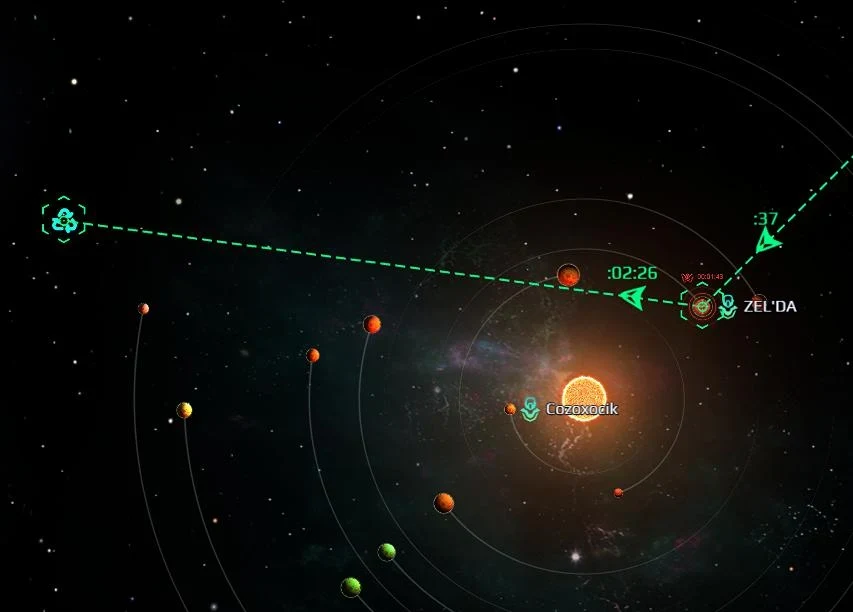
This free, cross-platform 4X strategy game lets you colonize planets, develop technologies, build powerful fleets, and wage interstellar wars against players from around the world. Form alliances, expand your territory, and use the AI assistant Hermes to help manage your growing empire. Play directly in your PC browser without downloading a client, or continue your campaign on mobile. The galaxy is yours to explore, defend, and conquer.