Why can't you see stars in space
Space & Astronomy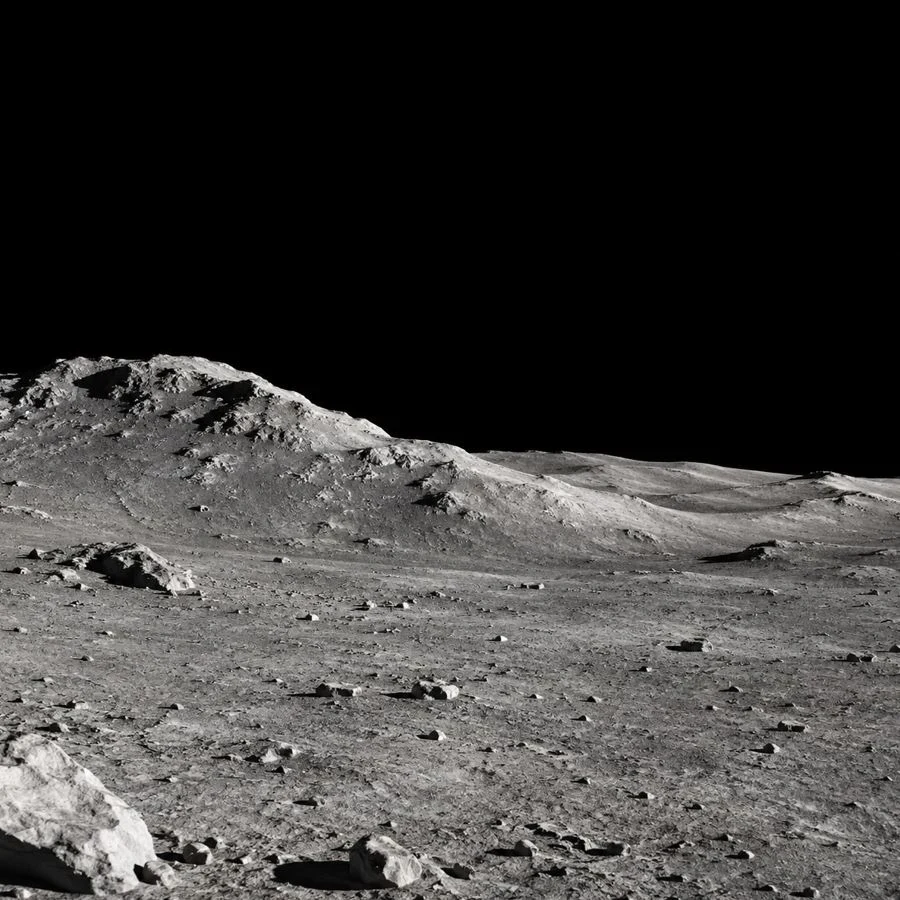
Space is filled with countless stars, yet many photographs from the International Space Station and Moon missions show a completely black background. You can clearly see spacecraft, astronauts' equipment, and the bright surface of Earth, but the stars seem to have disappeared. So why can't you see stars in space when the universe contains billions of them? The truth is that stars remain visible under the right conditions, and their apparent absence has a surprisingly simple explanation. Let's explore how light travels through space, why human eyes struggle with faint objects, how cameras capture stars, and why the Sun is so much easier to see.
The physics behind starlight
Stars produce electromagnetic radiation that travels through the vacuum of space without needing air or another material medium. Unlike sound waves, light can cross enormous distances between celestial objects. The photons reaching Earth from distant stars may have traveled for years, centuries, or even longer before entering a telescope or reaching someone's eyes. The vacuum doesn't make these stars invisible, but the amount of light reaching an observer becomes increasingly small as the distance from the source grows.
This difference in brightness is essential. The Sun is extraordinarily bright from our perspective because it's relatively close, while even powerful stars light-years away appear as tiny points. An illuminated spacecraft, the Moon's surface, or Earth's cloud cover can therefore look overwhelmingly bright compared with the faint stellar background. When these objects share the same field of view, detecting the much weaker starlight becomes difficult.
Human vision introduces another limitation. Our eyes adjust to surrounding illumination by changing pupil size and adapting the sensitivity of the retina. In bright conditions, the visual system is less sensitive to weak sources of light. After entering a dark environment, it gradually becomes better at detecting faint objects, with full dark adaptation taking considerably longer than the initial adjustment. This is why the same night sky can reveal many more stars after you've spent time away from bright lights.
The situation is similar in open space. Sunlight reflecting from a spacecraft, helmet visor, or planetary surface can make it difficult to notice faint stars, even though the surrounding sky remains black. If an observer moves into shadow, avoids direct glare, and allows their eyes to adapt, the stars can become much easier to see. Space itself doesn't prevent observation; the difference comes from lighting conditions and the limitations of human vision.
Why can't we see millions of stars
The Milky Way contains hundreds of billions of stars, but that doesn't mean all of them should be visible to the naked eye. Even under exceptionally dark skies on Earth, a person can usually distinguish only a few thousand stars at one time. Most stars are simply too distant or faint for human eyes to detect, and some are obscured by interstellar dust. Traveling beyond Earth's atmosphere doesn't automatically give an astronaut the sensitivity of a powerful observatory.
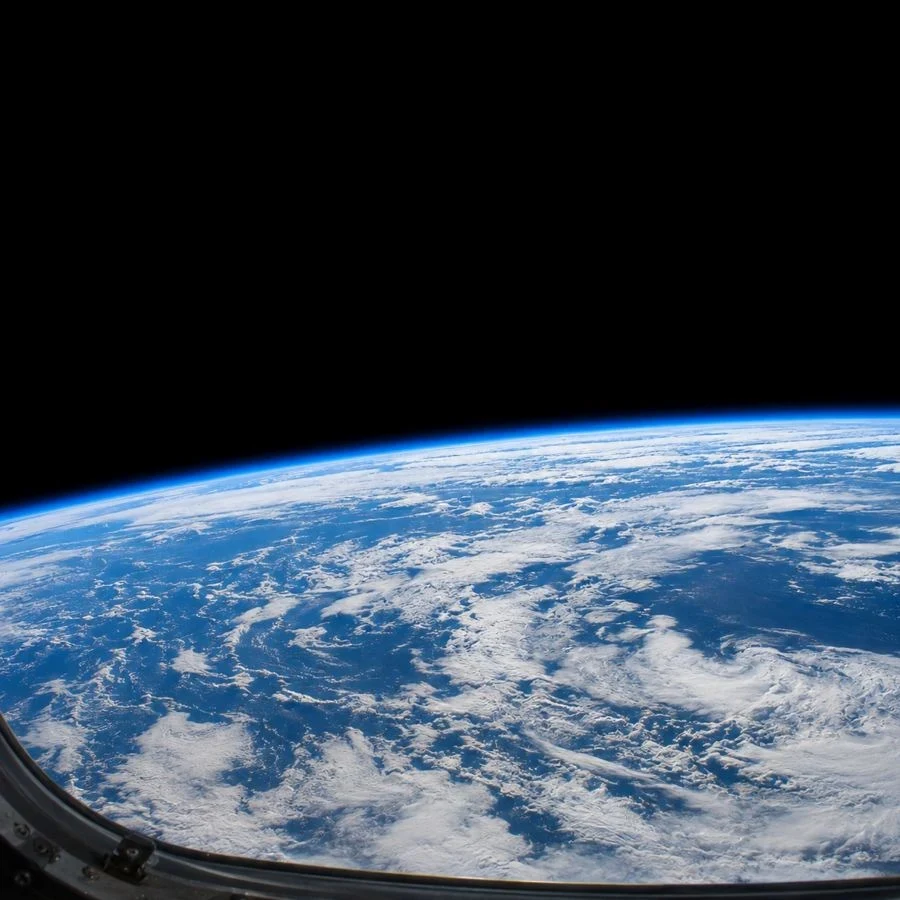
Astronauts working in sunlight face an additional challenge. Bright equipment, reflective spacecraft panels, and illuminated surfaces reduce their ability to distinguish faint points against the dark background. The contrast between sunlight and starlight is enormous, so the absence of atmospheric scattering doesn't guarantee an impressive view of the entire galaxy. Looking into a dark region of space from a brightly illuminated spacecraft can be surprisingly similar to trying to observe faint stars while standing beneath powerful outdoor lights.
Under suitable conditions, however, astronauts can observe stars clearly. A darkened spacecraft compartment, a window directed away from bright objects, and sufficient time for visual adaptation can significantly improve visibility. Without Earth's atmospheric turbulence, stars viewed from space also avoid the familiar twinkling caused by changing layers of air.
There's another reason expectations can be misleading. Many breathtaking images of the Milky Way are captured using long exposures, specialized lenses, and digital processing. These techniques collect weak light over time, revealing structures and colors that the human eye cannot perceive with the same intensity. Even an astronaut enjoying a beautiful view of the stars wouldn't necessarily see the intensely colorful cosmic landscape often depicted in science-fiction games.
How do space photos and videos affect star visibility
Camera settings are the main reason stars disappear from so many famous space photographs. A camera sensor needs to receive enough light to record an object, and different subjects require different exposure settings. Bright surfaces need relatively short exposures to preserve their details, while faint stars require more collected light. Capturing both perfectly in one ordinary exposure can be difficult because the difference in brightness is so large.
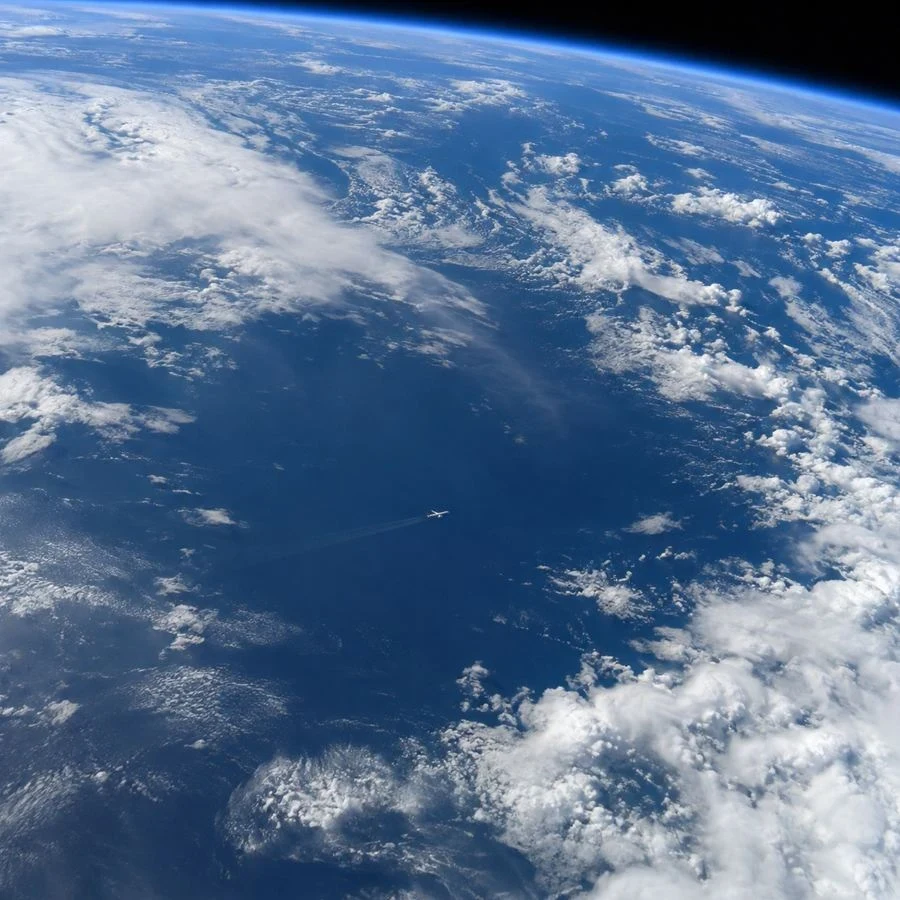
When astronauts photograph the sunlit Earth, they usually want sharp details of oceans, clouds, and coastlines. Short shutter speeds help prevent excessive brightness and reduce blur caused by spacecraft movement. Unfortunately, those exposures are often too brief to record faint background stars. The camera captures the bright planet while the surrounding space appears black, even though stellar light is still reaching the lens.
The same explanation applies to famous Apollo photographs. The Moon's sunlit surface and astronauts' equipment were extremely bright compared with distant stars, so cameras were adjusted to expose those foreground subjects correctly. If the exposure had been increased enough to reveal many stars, the lunar landscape and nearby equipment would have become severely overexposed. The missing stars therefore aren't evidence that the images were staged or digitally altered.
Video recording faces similar limitations. Each frame has a limited exposure time, making faint objects difficult to capture while maintaining correctly exposed foreground details. Modern cameras with improved low-light performance can record more stars, but they still have physical limits involving sensor sensitivity, noise, and dynamic range. Long-exposure astrophotography uses a different approach, gathering weak light over longer periods and sometimes combining multiple frames into a clearer final image.
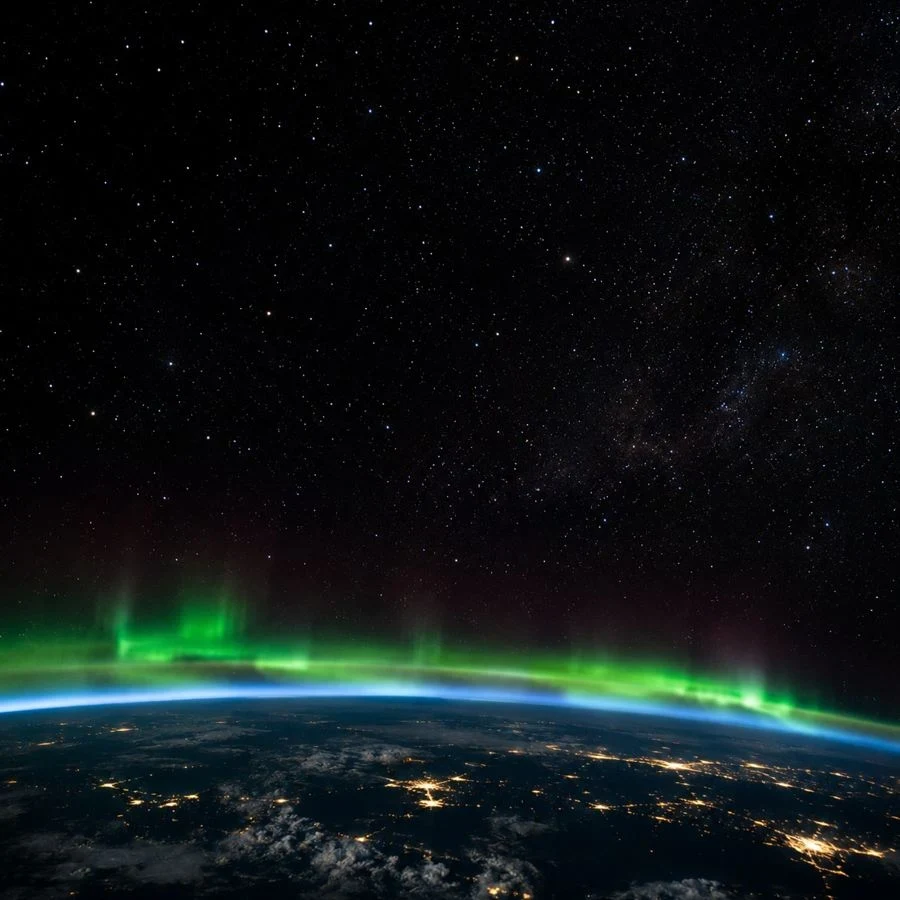
NASA has explained that stars can appear in photographs taken from orbit when astronauts use slower shutter speeds, particularly during nighttime observations of auroras. Space probes also capture stars when their cameras are configured for faint targets. The key difference isn't whether stars exist in the background, but whether the exposure is suitable for recording them.
Then why is the Sun visible in space
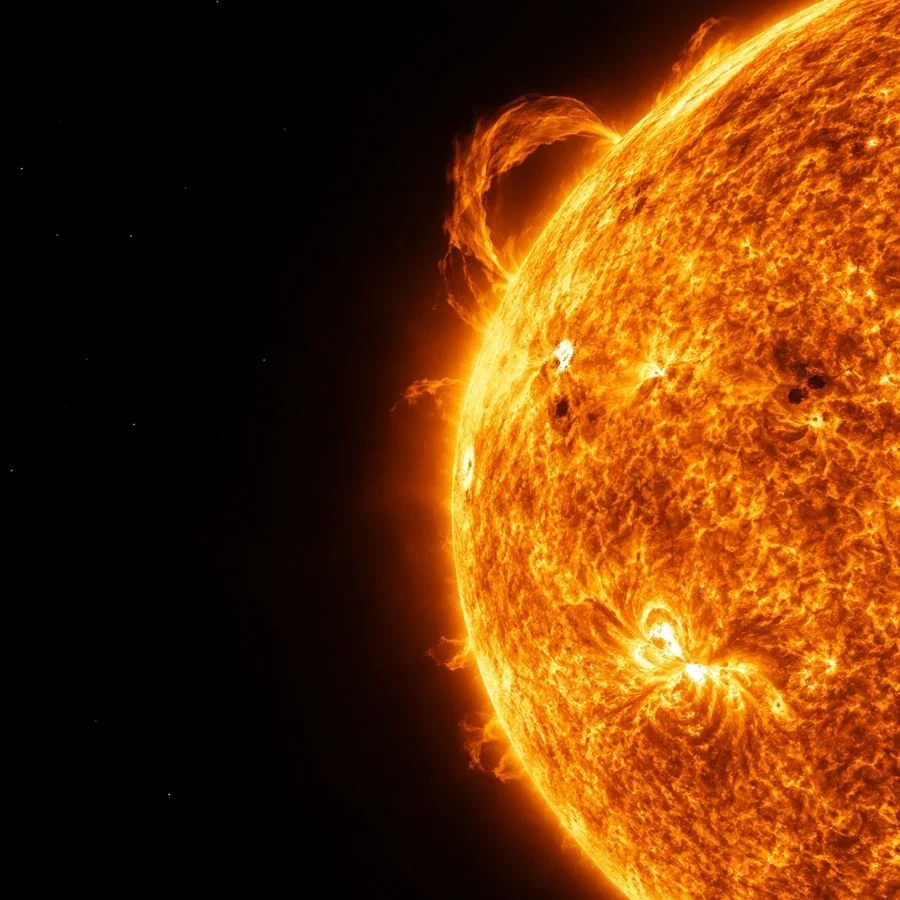
If distant stars can be difficult to see, why does the Sun remain so clearly visible? The answer comes down to distance and apparent brightness. The Sun is a star like many others in the universe, but it lies only about 150 million kilometers from Earth. By comparison, Proxima Centauri, the nearest star beyond the Sun, is more than four light-years away. That enormous difference means far more solar radiation reaches our eyes and instruments.
The Sun is bright enough to illuminate planets, cast sharp shadows, and heat spacecraft surfaces even in the vacuum of space. Its visibility doesn't depend on the presence of an atmosphere. However, the surrounding vacuum scatters very little sunlight, so the background can remain black while nearby objects are intensely illuminated. This creates the striking contrast frequently seen in authentic space photography.
Directly observing the Sun is also dangerous without appropriate protection. Its powerful radiation can damage human eyesight and sensitive camera equipment, which is why solar observatories use specialized instruments and filters. Ordinary cameras generally cannot capture detailed solar features and faint background stars in a single standard exposure.
Ultimately, stars don't disappear when we leave Earth. Their visibility depends on how much light reaches an observer, the brightness of nearby objects, and the sensitivity of the eyes or camera. With suitable viewing conditions and photographic settings, the star-filled universe becomes visible even from the depths of space.
Explore distant star systems with WarForGalaxy
The universe contains countless stars and planetary systems waiting to be explored. If you enjoy discovering new worlds and planning your next big expansion, WarForGalaxy offers the opportunity to command your own growing interstellar civilization.
WarForGalaxy is a free cross-platform multiplayer 4X space strategy game where you can develop planetary colonies, research technologies, manage resources, and construct military fleets. Begin with a small settlement, expand across new worlds, and strengthen your empire as you prepare for galactic conflicts.
You can join alliances, coordinate military operations, and compete with players from around the world. The game also features Hermes, an AI assistant that helps with strategic analysis and selected routine management tasks, allowing you to focus on important decisions.
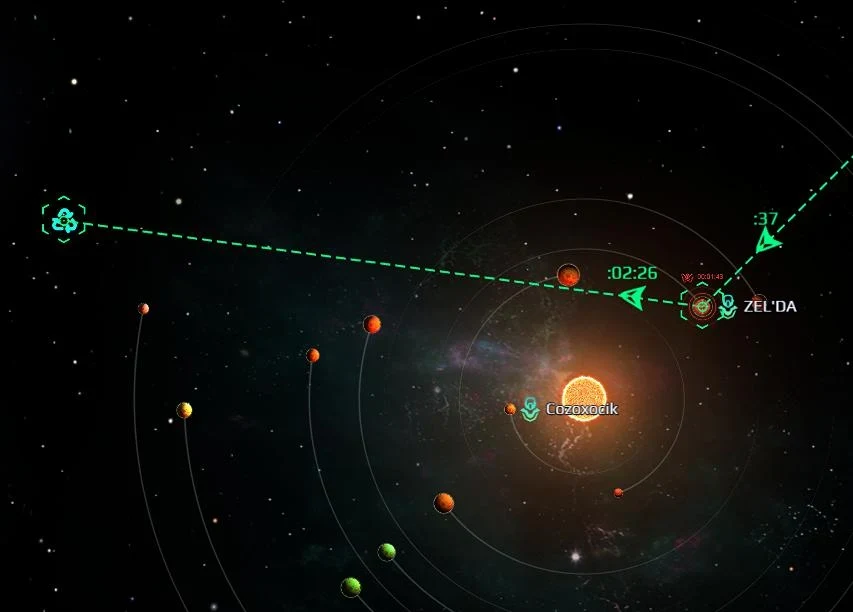
WarForGalaxy is accessible on computers and smartphones, with browser-based gameplay on PC that doesn't require installing a separate client. Play WarForGalaxy for free, establish your first colony, form alliances, and begin building your galactic empire.