Why is there weightlessness in space
Space & Astronomy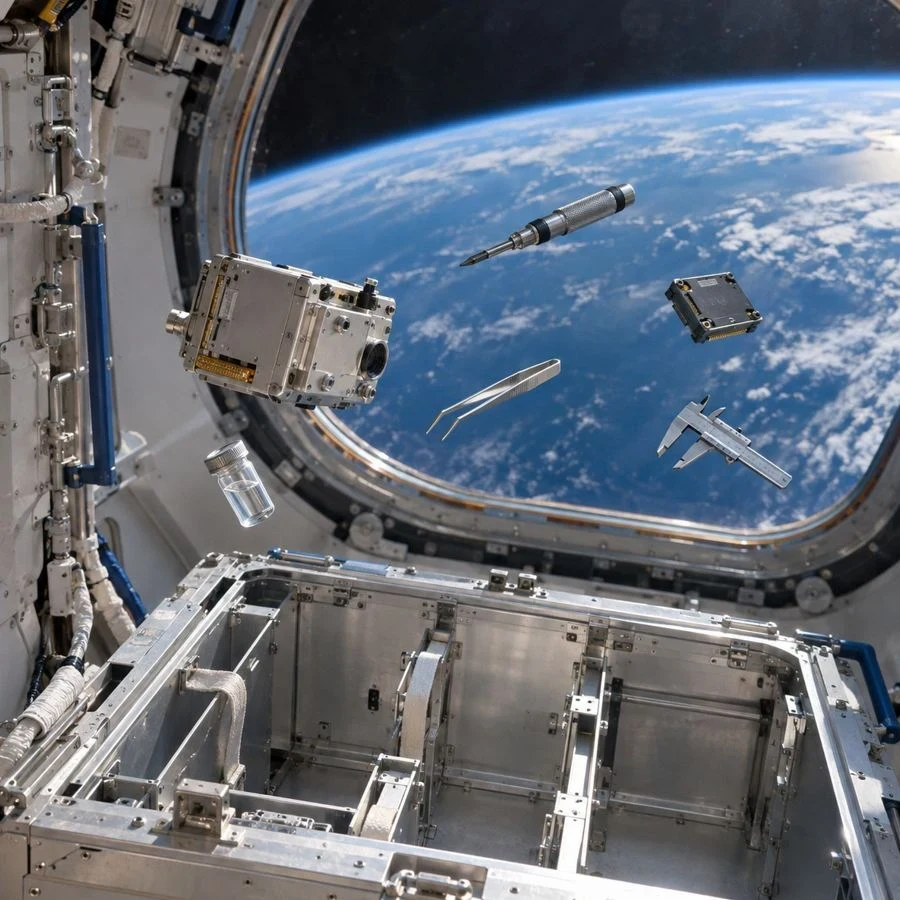
Astronauts floating through the International Space Station, water forming spherical droplets, and equipment drifting through the cabin are some of the most recognizable images of space exploration. They make it seem as though gravity simply disappears once you leave Earth. But why is there weightlessness in space if our planet still attracts satellites, spacecraft, and even the Moon? The answer is more interesting than a mysterious zero-gravity zone. In this article, we'll explain gravity and weightlessness in simple terms, explore whether the same conditions exist everywhere in space, and discover how living without normal gravity affects the human body.
What is gravity
Gravity is a fundamental interaction that attracts objects with mass toward one another. It's responsible for keeping people on Earth's surface, maintaining the Moon's orbit, and shaping the movement of planets around the Sun. Without gravity, our Solar System wouldn't function as it does today, and the familiar structure of galaxies would be dramatically different. Although we're accustomed to gravity pulling objects downward, there's nothing special about the direction itself. On Earth, "down" simply means toward the planet's center.
Isaac Newton described gravity through his law of universal gravitation, which relates the strength of attraction to the masses of objects and the distance between them. More massive bodies generally produce stronger gravitational effects, while increasing the distance weakens the attraction. However, gravity doesn't suddenly stop when a spacecraft leaves the atmosphere. Its influence extends through space, becoming weaker with distance but remaining important even across enormous astronomical scales. Satellites stay in orbit precisely because Earth's gravitational field continues pulling them inward.
An important distinction exists between mass and weight. Mass describes how much matter an object contains and how strongly it resists acceleration, while weight is associated with the gravitational force acting on that object. In everyday experience, we also associate the feeling of weight with pressure against a supporting surface. When you're standing on the ground, the floor prevents you from falling, producing the familiar sensation of being supported. During free fall, that supporting force disappears, even though gravity continues acting on your body.
Albert Einstein later provided a deeper description through general relativity, explaining gravity in terms of the curvature of spacetime. Massive objects influence this geometry, and freely moving bodies follow paths determined by it. However, you don't need complicated equations to understand why astronauts float. The key is recognizing that everything inside an orbiting spacecraft is falling together.
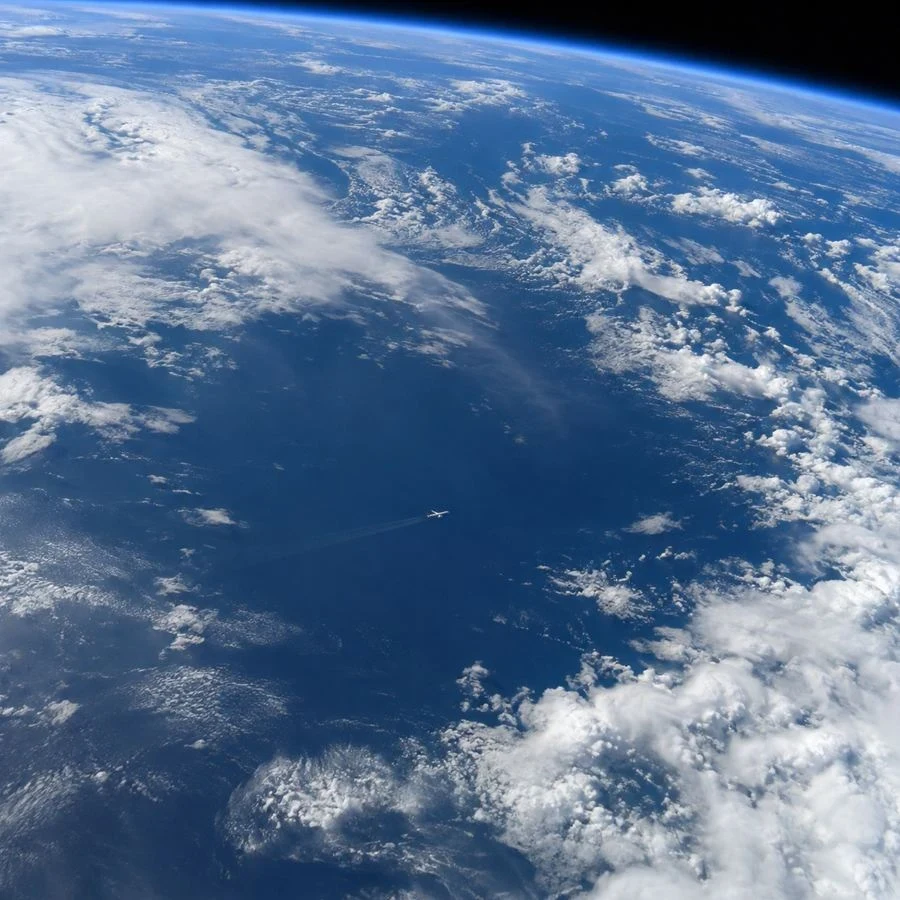
The International Space Station provides an excellent example. At an altitude of roughly 400 kilometers, Earth's gravitational acceleration is still approximately 90% of its surface value. That's far too strong to describe as an absence of gravity. The reason astronauts don't remain pressed against the station's floor comes from the way the station and everything inside it move.
What is weightlessness
Weightlessness is a condition in which an object experiences little or no supporting force, producing the sensation of having no weight. This doesn't mean its mass disappears or that gravitational attraction stops working. A floating astronaut still has the same mass as before, and moving a heavy piece of equipment still requires effort because that equipment resists acceleration. What changes is the absence of the normal pressure that makes objects feel heavy when supported on Earth.
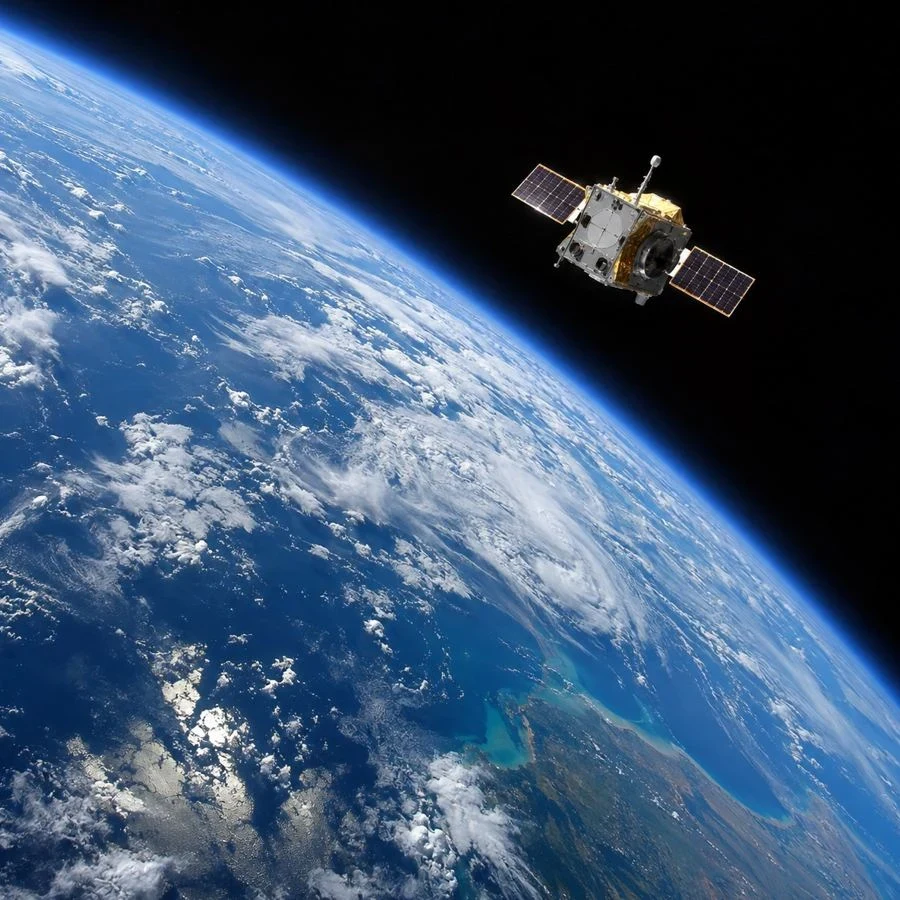
The simplest explanation involves free fall. Imagine a sealed elevator descending under the influence of gravity, with a ball floating inside. If both the elevator and the ball are accelerating downward together, the ball won't fall toward the cabin floor in the usual way. Relative to someone inside, it can appear to hover. A similar principle explains orbital weightlessness, although real orbital motion involves an additional horizontal velocity.
The International Space Station travels around Earth at approximately 28,000 kilometers per hour. Gravity continuously pulls it toward the planet, but its sideways speed is so high that it keeps missing Earth's curved surface. Instead of crashing into the ground, the station follows an orbit. Astronauts, scientific equipment, and loose objects inside the station follow almost the same falling trajectory, so they appear to float relative to one another.
This explains why an astronaut can release a tool and watch it drift nearby instead of immediately dropping to the floor. Both the astronaut and the tool are falling around Earth together. Water behaves differently as well because gravity no longer produces the familiar downward drainage and settling inside the cabin. Surface tension becomes especially noticeable, encouraging free water to form rounded droplets.
Scientists usually describe the environment aboard the ISS as microgravity rather than perfect zero gravity. Tiny residual accelerations arise from atmospheric drag, spacecraft maneuvers, vibrations, and slight differences in the gravitational pull experienced by objects at different positions. The term doesn't mean that Earth's gravity has weakened to one-millionth of its normal strength. Instead, it describes the very small effective accelerations experienced inside a freely falling environment.
Weightlessness can even occur without traveling into orbit. Special aircraft perform parabolic maneuvers that briefly allow passengers and experimental equipment to follow free-fall trajectories. During part of each maneuver, everything inside the aircraft experiences approximately 20 seconds of microgravity. Researchers use these flights to investigate physical processes, test equipment, and prepare experiments for future space missions.
Is there weightlessness everywhere in space?
It's easy to imagine that every location beyond Earth's atmosphere is a zero-gravity environment, but that's incorrect. Weightlessness depends on movement and the forces acting on an object, not simply on being in outer space. Astronauts can float while orbiting Earth, but someone standing on another planet would experience weight because the ground prevents them from falling freely.
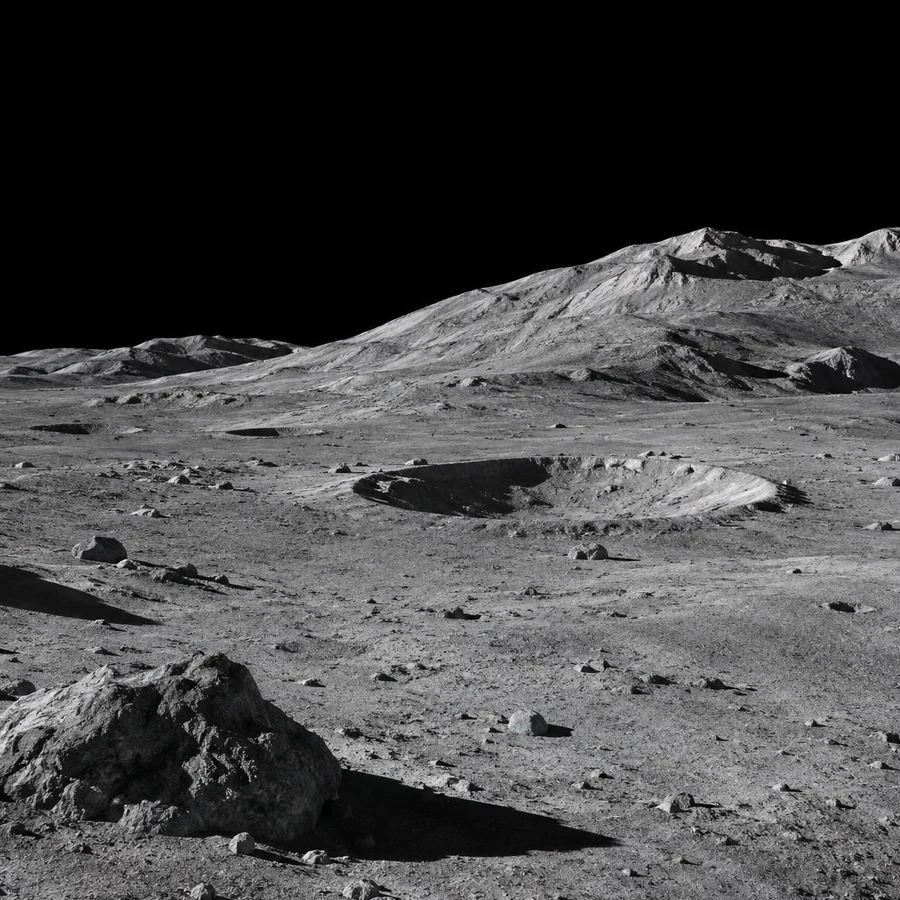
The Moon, for example, has its own gravitational field. Surface gravity is approximately one-sixth of Earth's, so a person would feel significantly lighter while walking or jumping there. Their mass would remain unchanged, but the force pressing them against the ground would be much smaller. This makes movement different from what we're accustomed to without creating genuine weightlessness. An explorer could jump higher and stay airborne longer, but would still return to the lunar surface.
Mars provides another interesting comparison. Its surface gravity is approximately 38% of Earth's, which would allow people to carry out familiar activities under reduced gravitational loads. Walking, lifting equipment, and climbing would feel different, although the exact effects on human movement and long-term health remain important research topics. Future Martian settlements would therefore operate in partial gravity rather than the microgravity environment found aboard an orbiting station.
Conditions aboard an interplanetary spacecraft depend on how it's traveling. If the engines are switched off and the vehicle is freely coasting along its trajectory, passengers can experience weightlessness even while the Sun's gravity continues influencing the spacecraft. However, when the engines accelerate the vehicle, the crew may feel a force pressing them toward the rear of the cabin. In principle, a spacecraft maintaining an acceleration close to 9.8 meters per second squared could create a sensation similar to Earth's gravity, although sustaining such acceleration presents enormous engineering challenges.
Another potential solution is artificial gravity through rotation. Imagine a large circular space station spinning around its central axis. People standing near its outer edge would feel a force from the floor keeping them moving in a circle, creating a sensation resembling gravitational weight. The strength of this effect depends on the station's radius and rotation speed. Such designs remain important concepts for future long-duration missions, although full-time rotating artificial-gravity habitats are not currently used aboard operational space stations.
These examples reveal why weightlessness isn't a universal feature of the cosmos. An astronaut can float near a massive planet while an explorer standing on a much smaller world experiences weight. The essential difference is whether the person's surroundings provide a supporting force or whether everything is moving together in free fall.
How does weightlessness affect the human body?
Floating freely through a spacecraft might seem like an incredible upgrade to everyday life. Astronauts can move in three dimensions, reposition bulky objects without supporting their full weight, and watch liquids form strange shapes. However, the human body evolved under Earth's gravity, and extended exposure to microgravity produces changes that are far less entertaining than the footage suggests.
One of the most serious concerns involves muscles and bones. On Earth, standing, walking, and maintaining posture continuously load the skeletal system and activate muscles. In microgravity, many of these loads disappear, allowing muscles to weaken unless astronauts maintain regular exercise. Bones also respond to reduced mechanical stress by losing mineral density. Without effective countermeasures, weight-bearing bones may lose around 1% or more of their density per month during spaceflight, potentially increasing the risk of fractures after returning to Earth.
Fluid distribution changes as well. Under normal conditions, gravity influences how blood and other fluids are distributed throughout the body. In orbit, more fluid shifts toward the head, which can make astronauts' faces appear puffy and their legs look thinner. Researchers also study spaceflight-associated neuro-ocular syndrome, a condition involving changes in the eyes and vision that may develop during extended missions. These effects are among the reasons medical monitoring is such an important part of long-duration spaceflight.
The vestibular system, which helps the brain interpret balance and orientation, also needs time to adapt. On Earth, gravity provides a consistent reference for distinguishing up from down. In microgravity, that familiar signal becomes unreliable, and some astronauts experience nausea, dizziness, or difficulties coordinating their movements during the first days of a mission. The brain gradually adjusts, but returning to Earth requires another adaptation period as normal gravitational loading resumes.
Even ordinary activities become more complicated. Astronauts cannot leave tools on an open workbench and expect them to stay in place, so equipment must be secured with straps, fasteners, or dedicated storage systems. Food and drinks require special handling to prevent crumbs and droplets from drifting through the cabin. Sleeping also looks different because astronauts don't need a traditional mattress to support their body weight. Instead, they secure sleeping bags inside crew quarters so they don't float into equipment during the night.
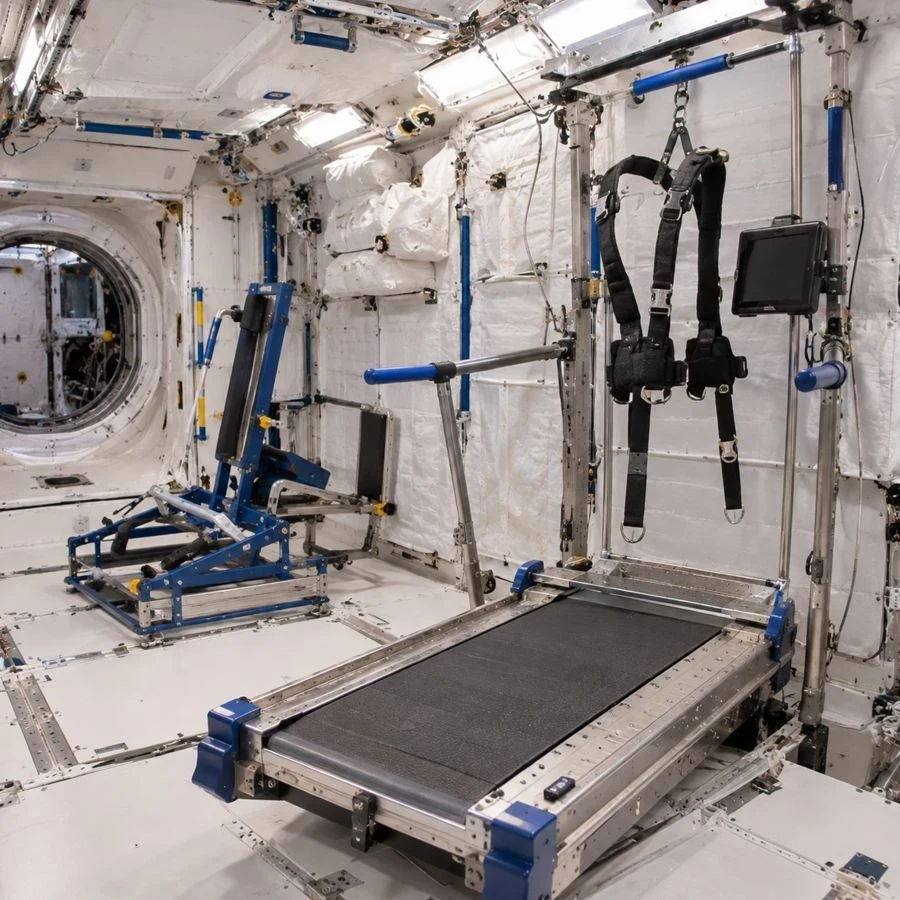
To reduce the health effects of microgravity, ISS crews follow structured exercise routines using treadmills, stationary bicycles, and specialized resistance equipment. Nutrition, medical testing, and rehabilitation are equally important. Exercise helps preserve muscle strength and bone health, although it doesn't eliminate every physiological change associated with long missions. After landing, astronauts may need assistance standing or walking until their balance and cardiovascular systems readjust to Earth's gravity.
These challenges become especially important when planning missions to Mars. Astronauts could spend months traveling through microgravity before arriving at a planet where they must immediately function under partial gravity.
Researchers are therefore investigating improved exercise systems, nutritional strategies, and potential artificial-gravity technologies. At the same time, microgravity provides unique scientific opportunities, allowing researchers to study fluid behavior, combustion, crystal growth, and biological processes under conditions that are difficult to reproduce on Earth.
Ultimately, weightlessness is neither the disappearance of gravity nor a harmless special effect. It's a physical condition created by free fall that changes how objects move and how the human body functions. Understanding it is essential for making space exploration safer and preparing for longer journeys beyond Earth.
Build your interstellar empire in WarForGalaxy
The physics of space can be fascinating, but exploring distant planets becomes even more exciting when you're the one making the strategic decisions. In WarForGalaxy, you can take command of an emerging civilization, develop planetary colonies, and compete for influence across an enormous galaxy filled with other players.
WarForGalaxy is a free online multiplayer 4X space strategy game built around exploration, expansion, economic development, and interstellar warfare. Your journey begins with a modest settlement that gradually grows into a powerful empire. Construct buildings, gather resources, research new technologies, and assemble military fleets capable of protecting your territory or supporting further expansion.
The multiplayer universe connects commanders from around the world, creating opportunities for cooperation, diplomacy, and conflict. You can establish alliances, coordinate attacks, defend valuable planets, and participate in large-scale galactic wars. Every strategic choice matters, whether you're improving production, preparing defenses, or working with allies to achieve a shared objective.
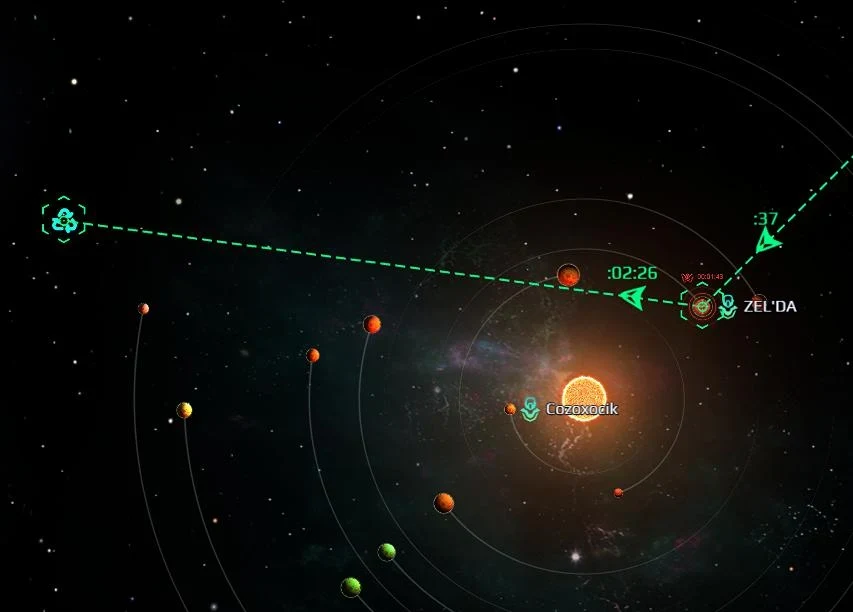
WarForGalaxy also features Hermes, an AI assistant designed to help players understand game mechanics, analyze strategic situations, and manage selected routine tasks. The game is cross-platform and accessible on computers and smartphones, while its PC version runs directly in a web browser without requiring a separate client installation.
Ready to build an empire among the stars? Play WarForGalaxy for free, establish your first planetary colony, discover powerful allies, and begin your journey toward galactic domination.